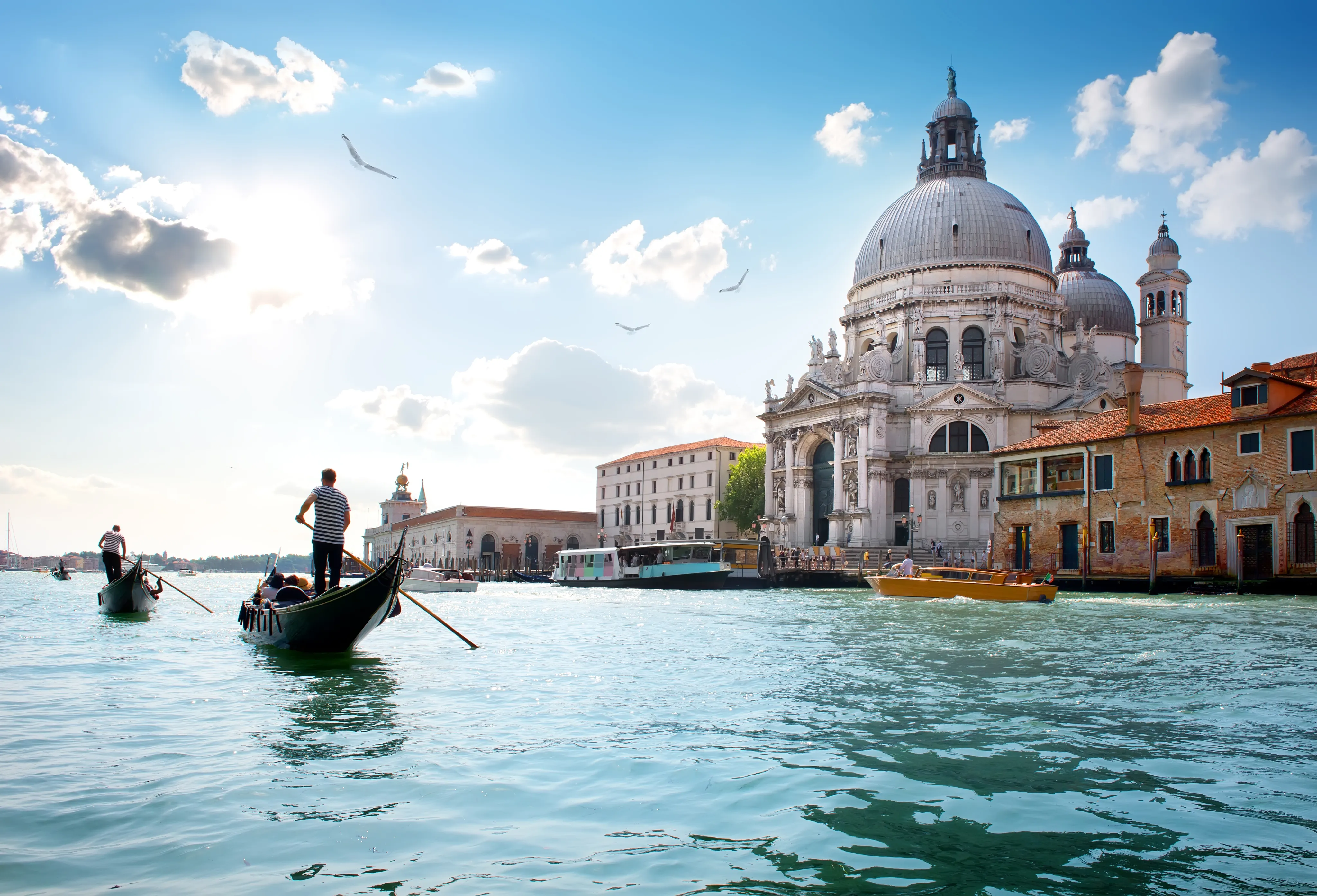
Between the final confetti of Carnival and the arrival of Easter, Venice exhales.
From mid-February until early April, the city enters one of its most refined and rewarding seasons. The festive intensity softens, the calli become walkable again, and museums and churches regain the rhythm they were designed for: unhurried, contemplative, immersive.
This is not winter, and not yet spring. It is a suspended moment - ideal for travelers seeking depth over spectacle, and equally well suited to corporate groups looking for cultural experiences without logistical pressure.
For those who want to experience Venice slowly - truly slowly - this is the moment.
Art Without the Rush: Museums at Their Best
Venice’s great museums are not meant to be rushed. They reward stillness, proximity, and time. The weeks following Carnival offer precisely that: more space, fewer queues, and a calmer pace inside galleries.
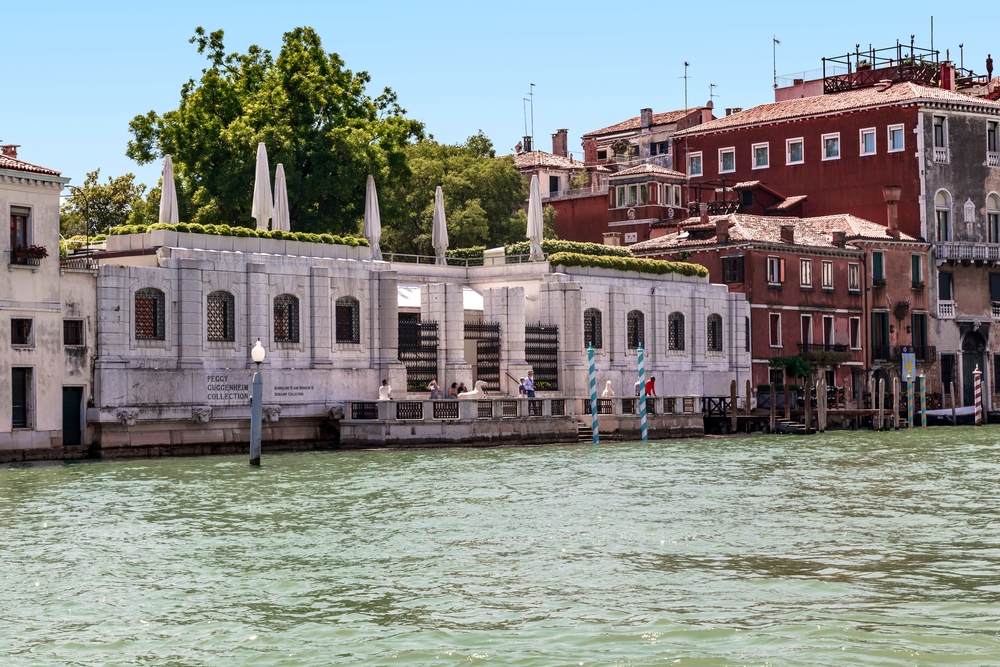
Peggy Guggenheim Collection – Modernism with Space to Breathe
In Dorsoduro, along the Grand Canal, the Peggy Guggenheim Collection becomes a different experience when visitor numbers are moderate. You can stand in front of Pollock’s canvases without navigating through layers of people. You can move slowly between Kandinsky, Miró, and Magritte. You can step into the sculpture garden and pause.
The terrace overlooking the Grand Canal - often crowded in peak season - becomes a place to linger (and where to take great pictures!)
A private guided visit can add real value here, especially if you want to focus on Peggy’s life in Venice and the formation of one of Europe’s most important modern art collections.
Gallerie dell’Accademia – The Temple of Venetian Painting
The Accademia requires time. Giorgione, Titian, Veronese - these works reveal themselves gradually.
In late February and March, a guided visit can unfold at the right rhythm: standing in front of a single masterpiece long enough to understand context, technique, and meaning, rather than moving on because the room is crowded.
This is the season when art becomes conversation, not navigation.
Museo Correr – The Political Story of the Serenissima
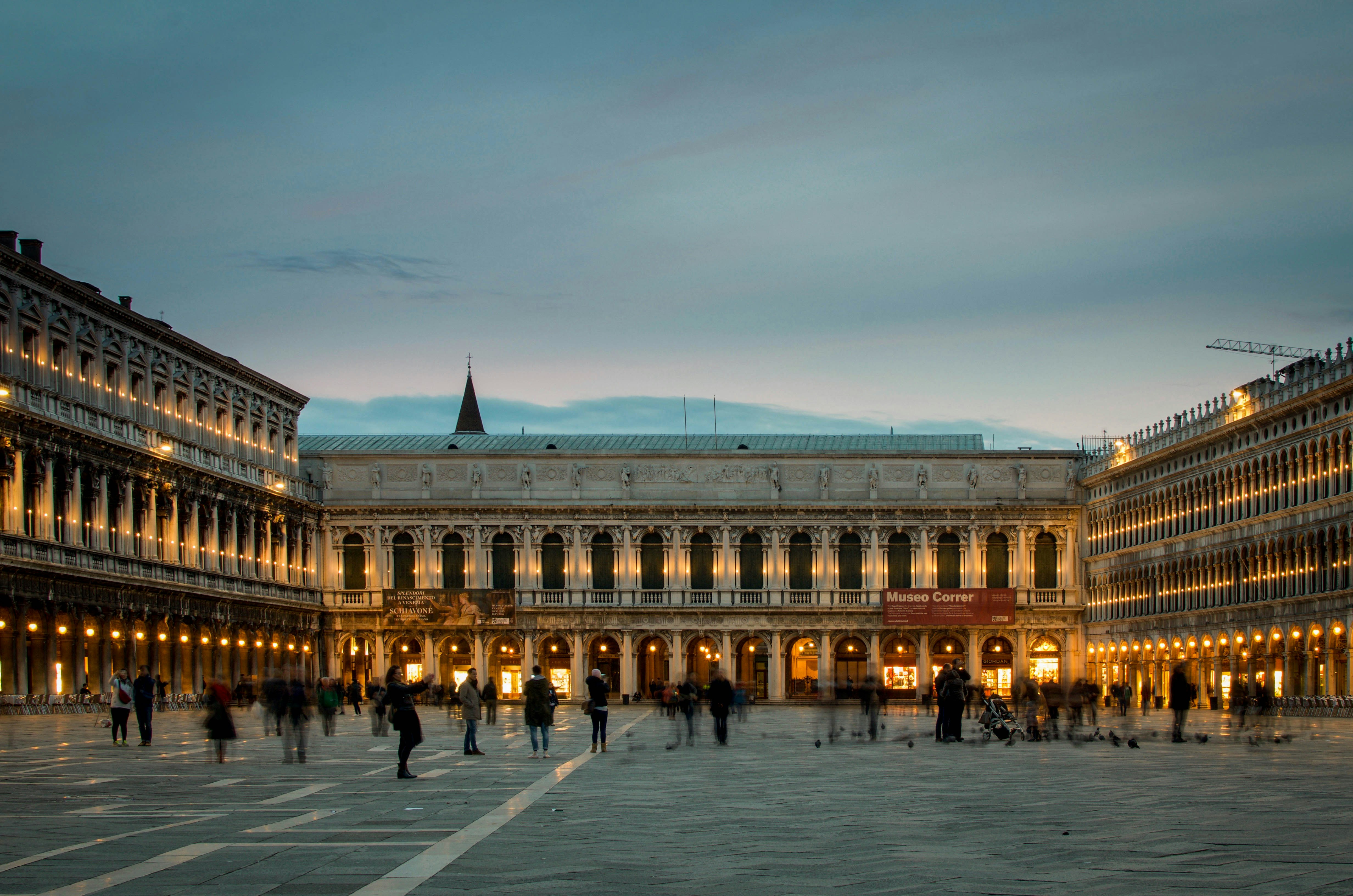
Overlooking Piazza San Marco, the Museo Correr explains how Venice functioned as a republic, a maritime power, and a cultural force.
Without peak-season crowds, the museum reads like a narrative journey: ducal ceremonies, naval expansion, civic rituals. The windows onto the square frame the city from within its own institutional history - a perspective often missed in busier months.
If you want to build a smooth “slow culture” day, private guided access to Venice’s major museums, please send us your request here.
Sacred Venice, Without the Crowd
Venice’s churches are not secondary attractions; they are repositories of artistic and civic identity. After Carnival, they return to a more contemplative atmosphere - which is exactly how they are meant to be experienced.
Basilica di San Marco
Timed entry remains advisable year-round, yet outside high season the basilica regains its spatial harmony. The golden mosaics can be observed without constant movement, and the light interacts with gold tesserae in a quieter, more perceptible way.
Experiencing San Marco in this period allows for a deeper reading of Byzantine influences and the basilica’s symbolic role in Venice’s relationship with the East.
Scuola Grande di San Rocco
Tintoretto’s monumental cycle was conceived as an immersive visual theology. In a calmer season, visitors can move from canvas to canvas without interruption, tracing the narrative arc from Old Testament to New.
Because access and openings can occasionally change due to special events or conservation needs, it’s wise to structure this visit as part of a pre-arranged guided experience.
Basilica dei Frari
Home to Titian’s Assumption and Canova’s tomb, the Frari rewards stillness. In early spring light, the red brick interior and monumental altarpieces create a powerful contrast between austerity and grandeur.
Visits may adapt to liturgical schedules; planning ahead ensures time for reflection rather than waiting.
To tailor sacred-art visits to your pace and interests, you can send a custom request here.
Secret Venice: Interiors and Architectural Silence
The quieter season is ideal for discovering refined spaces beyond the main circuits - where Venice feels private, residential, and deeply cultured.
Palazzo Grimani – Renaissance Venice in Castello
In the residential sestiere of Castello, Palazzo Grimani reveals a different face of Venice: not Gothic, not Byzantine, but Roman-inspired Renaissance elegance, shaped by the ambitions of one of the city’s most powerful patrician families.
Recently restored and reopened as a residence-museum, the palace allows visitors to step inside what was once a private collection space. The highlight is the spectacular Tribuna, a sixteenth-century sculpture gallery conceived to display classical statues and busts in niches and elevated stands: an architectural statement of cultural prestige.
Our dedicated “Secret Venice” tour expands this visit into a broader off-the-beaten-path exploration of Castello. The experience includes:
- Internal visit to Palazzo Grimani, with entrance ticket included
- A walk through some of the city’s best-preserved medieval lanes, across pointed arches and narrow calli
- Discovery of Santa Maria Formosa, one of Venice’s earliest Marian churches
- Internal visit to the iconic Acqua Alta Bookshop, a surreal literary space designed to adapt to high water
- External views of landmarks such as Marco Polo’s House and the Malibran Theater
The route is designed to move through authentic residential Venice, where daily life unfolds far from the most congested areas. It connects classical art, Baroque architecture, and contemporary urban texture in a single, fluid walking experience.
Fondazione Querini Stampalia – Carlo Scarpa’s Dialogue with Water
The Querini Stampalia is not simply a museum: it is one of the most refined examples of twentieth-century architectural intervention within Venice’s historic fabric.
Carlo Scarpa (1906–1978), among the most influential Italian architects of the modern era, reinterpreted Venetian tradition through contemporary language. His work in Venice reflects a deep understanding of water, light, proportion, and material - not as decorative elements, but as structural components of space.
Inside the Querini Stampalia Foundation, Scarpa transformed a flood-prone ground floor into a sophisticated architectural statement. Rather than excluding water, he channeled and framed it, allowing it to flow into the garden through controlled passages.
In the quieter weeks after Carnival, this space can be explored with the attention it deserves - observing how light reverberates on stone, how reflections shift across surfaces, how materials interact with the lagoon environment.
Our dedicated Carlo Scarpa tour expands this experience beyond Querini Stampalia and into a broader architectural journey across Venice. The itinerary includes:
- A visit to the Olivetti Showroom in Piazza San Marco, Scarpa’s masterpiece of interior design, where water motifs, glass tesserae, marble, and filtered light create an extraordinary dialogue between inside and outside space
- Entrance to the Querini Stampalia Foundation, with detailed interpretation of Scarpa’s structural and aesthetic solutions
- A guided reading of Scarpa’s vision, from his early collaboration with Murano glassmakers to his mature architectural language
It is an opportunity to learn how to look at Venice differently, understanding how modern architecture can converse with centuries-old urban fabric.
Fondazione Giorgio Cini and the View from San Giorgio
Across the Bacino di San Marco, the island of San Giorgio Maggiore offers something rare in central Venice: distance and perspective.
While St Mark’s Square can still feel active even in the quieter weeks, San Giorgio allows you to step back - physically and visually - from the city’s density. The Fondazione Giorgio Cini, housed in a former Benedictine monastery, hosts cultural exhibitions, art collections, and scholarly archives within a setting defined by architectural harmony and silence.
We often recommend including a visit here as part of a slow post-Carnival itinerary, especially for travelers interested in art, architecture, and curated cultural spaces.
An essential complement to the foundation is the climb to the Campanile of San Giorgio Maggiore. From the top, the view opens onto the Doge’s Palace, St Mark’s Basilica, and the sweep of the lagoon - a perfectly balanced panorama that allows you to understand Venice’s urban geometry and its relationship with water.
The Lagoon in Its Authentic Rhythm
With fewer day-trippers and organized group flows, the lagoon regains its natural cadence. The islands are no longer quick photo stops, but places where craft, landscape, and history can be experienced at a measured pace.
Exploring the lagoon in the weeks after Carnival means moving through open horizons, quieter docks, and slower encounters.
Murano – Time Inside the Furnace
Murano has been the center of Venetian glassmaking since the 13th century. Techniques have been handed down for generations, shaping an identity that remains central to the lagoon.
In this quieter period, a visit to a traditional furnace becomes more personal. Watching a master glass blower gather molten glass, rotate the pipe, and shape a form is not just a demonstration - it is a lesson in rhythm and precision.
With fewer visitors inside the workshop, explanations feel less rushed. There is more time to understand tools, temperatures, gestures, and the lineage of craft that defines Murano.
Burano – Color Without Congestion
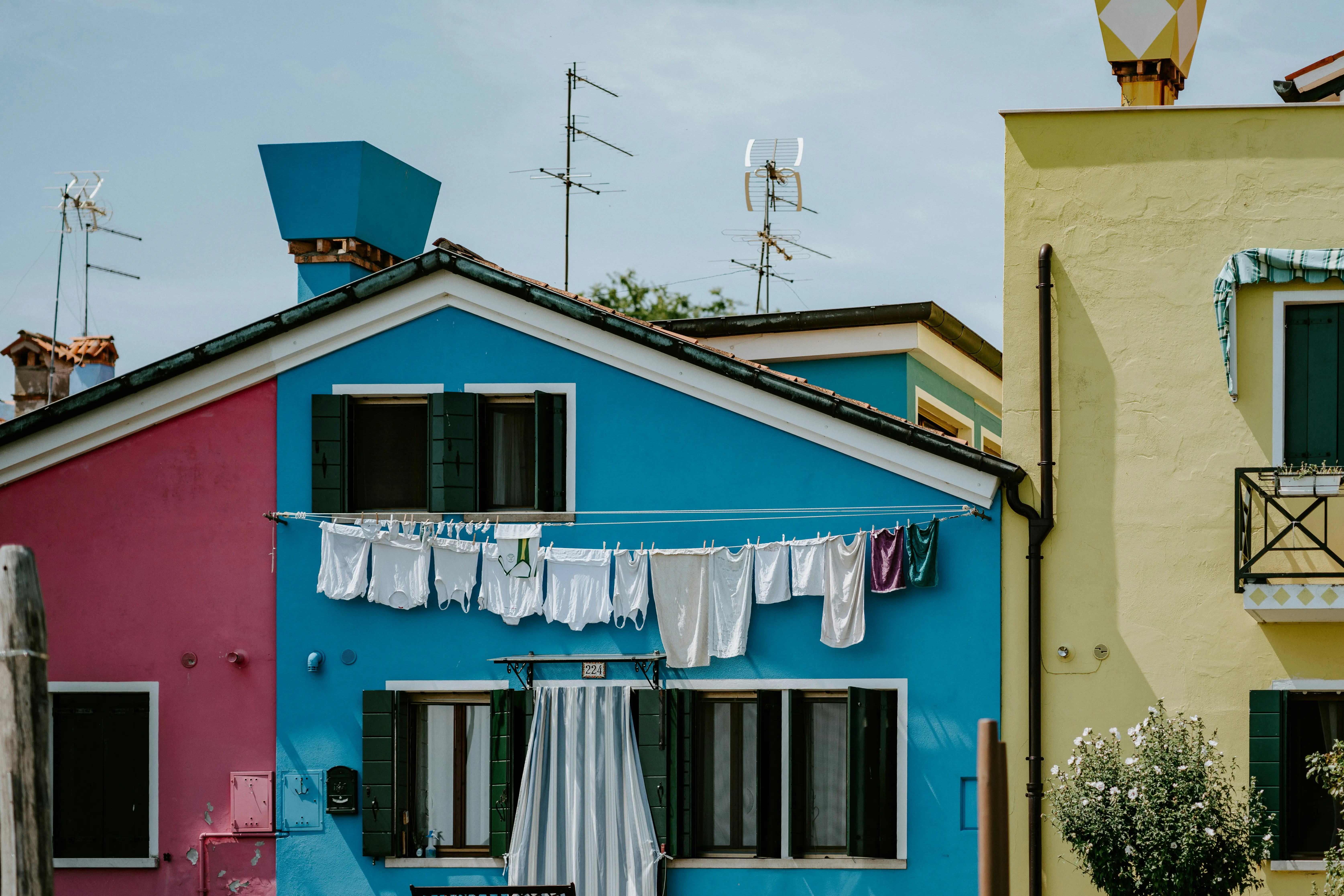
Burano’s brightly painted houses are among the most photographed in Italy. Yet when the island is not saturated with peak-season crowds, its atmosphere shifts.
Narrow canals reflect pastel façades. Fishing boats remain moored in quiet stillness. Conversations between residents carry across small bridges. The island’s lace-making tradition - once an international export - is easier to appreciate when you are not moving in a dense flow of visitors.
Burano is not only picturesque; it is a working fishermen’s island, and off-season allows that identity to emerge more clearly.
Torcello – Origins of the Lagoon
Often overlooked by hurried itineraries, Torcello offers a completely different landscape: green, open, almost rural. It is one of the earliest settled islands of the lagoon and preserves the Cathedral of Santa Maria Assunta, whose Byzantine mosaics remain among the most significant in the region.
Walking through Torcello feels like stepping into the lagoon’s early history - long before Venice became a maritime republic.
A Private Island Experience by Water Taxi
For a seamless exploration of Murano, Burano, and Torcello, we recommend our private half-day lagoon tour by water taxi.
This experience includes:
- Private water taxi at disposal (morning or afternoon)
- Dedicated assistant for the entire tour
- Visit to a traditional glass factory in Murano, with live demonstration by a master glass blower
- Time to explore Burano’s colorful residential streets
- A peaceful walk in Torcello, including the Cathedral with its remarkable mosaics
Moving by private boat changes the rhythm entirely. Transfers are direct, flexible, and adapted to your pace. Instead of adjusting to public schedules, the lagoon unfolds according to your itinerary.
You can discover the full private islands experience here.
Living Like a Venetian Before the Season Begins
Slow travel in Venice also means tuning into the city’s daily rhythm - the kind you can only feel when the calendar is not dominated by peak-season crowds.
Rialto Market in Its Natural Pace
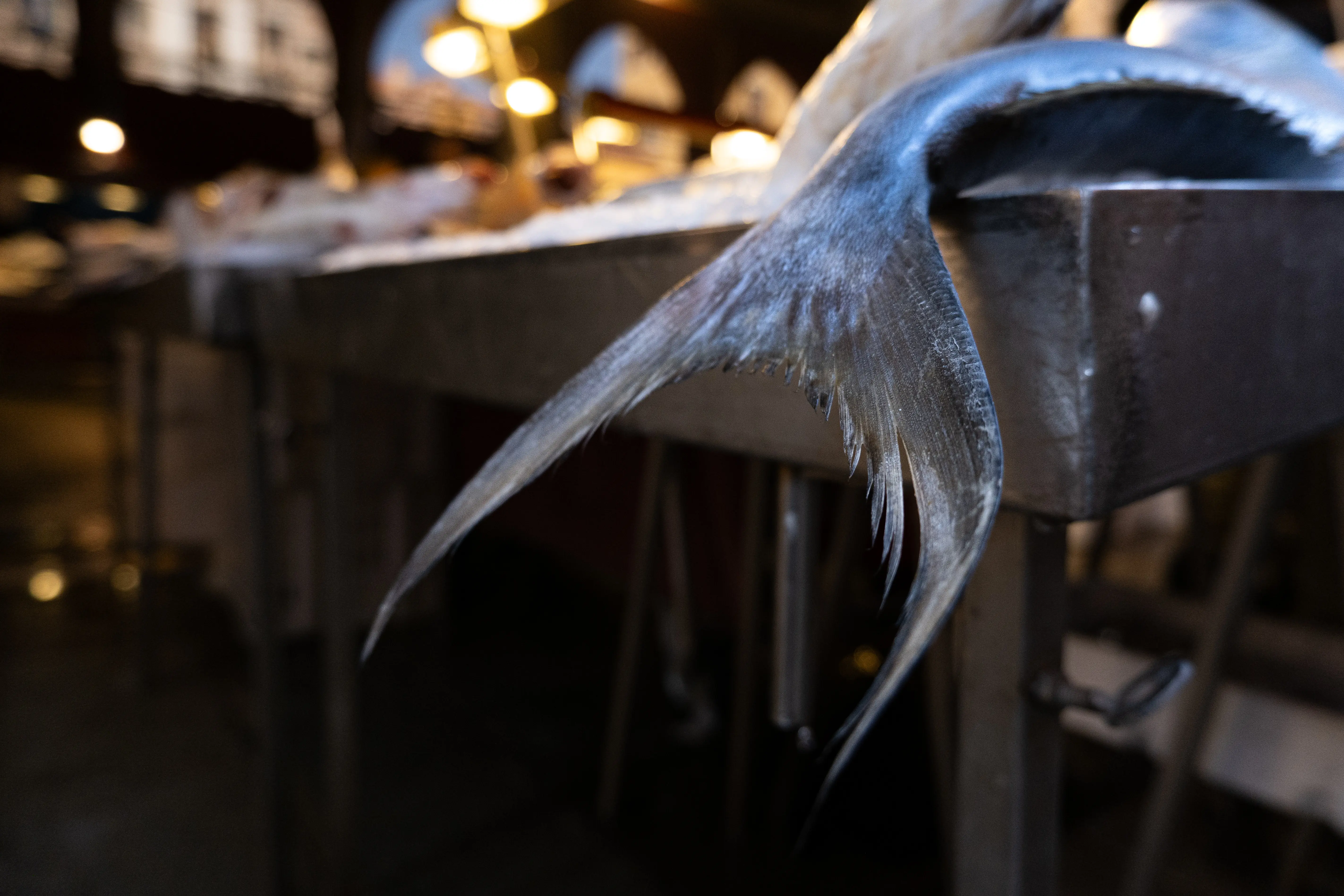
In the morning, Rialto moves according to local schedules. Fishmongers arrange the day’s catch from the lagoon; seasonal vegetables signal the transition toward spring. The market is not just a place of commerce - it is the historical heart of Venetian trade culture.
Exploring Rialto with a local expert allows you to understand what you are actually seeing: why fish defines Venetian identity, how the Republic built its wealth on maritime commerce, and how seasonality still shapes the lagoon’s cuisine today.
Our private Rialto Market + Typical Lunch experience includes:
- A one-hour guided walk through the central Rialto Market area with a local expert
- A focus on the fish section, where stories, traditions, and daily rituals reveal the city’s deep-rooted ties to seafood
- A traditional lunch in a nearby Venetian osteria
The culinary experience continues at the table with:
- A shared selection of cicchetti
- One iconic Venetian pasta dish (fish, meat, or vegetarian options available)
- A classic aperitif such as spritz or prosecco, plus a glass of wine
- Water and coffee
Dishes like bigoli in salsa, paired with local wine, transform the market visit into a complete sensory journey - from stall to plate.
You can discover the full experience here.
Wine in a Local Bacaro
Off-season is ideal for a curated wine tasting in a bacaro loved by Venetians. Without peak-hour noise and standing crowds, the experience becomes more focused, more conversational, and more personal.
This is not a generic tasting. It is a guided journey through unexpected wines and lesser-known grape varieties from Italy and the Mediterranean area, hosted in one of the more intimate corners of Venice.
Our wine tasting experience invites you to discover wine starting from its most authentic connection: the land.
Guided by an experienced and passionate host, you will:
- Choose two wines from a daily curated selection, allowing the tasting to adapt to the moment and the season
- Explore resilient and often overlooked grape varieties, deeply rooted in their territories
- Hear stories of producers, places, and traditions that rarely appear in mainstream wine narratives
Each tasting is accompanied by a thoughtful pairing of cicchetti, local cold cuts, or selected cheeses, chosen to enhance aromas and structure.
In the quieter weeks after Carnival, the bacaro setting feels particularly genuine. Conversations unfold naturally. The host has time to explain not only tasting notes, but also cultural context - how Veneto wines connect to lagoon cuisine, and how Mediterranean varieties reflect climate, soil, and history.
Rather than a formal masterclass, this is a relaxed and honest encounter with wine culture, set in a more local Venice.
Zattere at Sunset and the Squero of San Trovaso
Facing south, the Zattere promenade captures some of the most generous afternoon light in Venice. In late winter and early spring, when the air is often clearer, the views across the Giudecca Canal feel expansive and calm.
We often recommend ending the day here, when the rhythm slows and the lagoon reflects the warm tones of the setting sun.
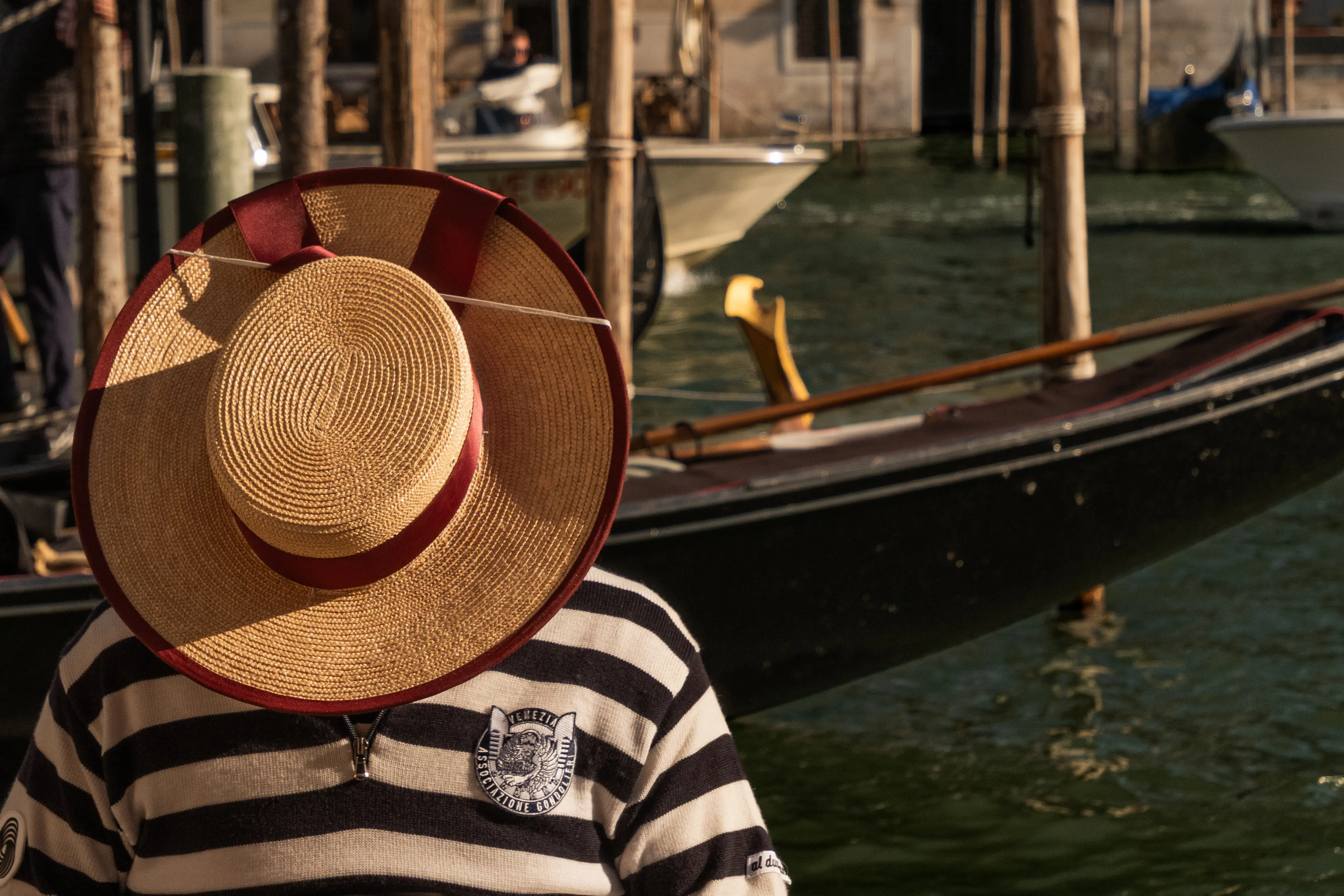
Along the way, a stop at the Squero di San Trovaso offers a glimpse into one of Venice’s living crafts. From the canal, you can observe the maestri d’ascia at work, shaping and maintaining gondolas and traditional wooden boats. It is a working boatyard, not a staged attraction - and in the quieter season, you are more likely to witness authentic activity.
This simple walk connects landscape, craftsmanship, and daily life in one fluid moment.
Castello and the Serre dei Giardini
To experience Venice beyond its monumental icons, we often suggest spending time in Castello, one of the city’s most residential sestieri.
Here, independent galleries, artisan workshops, and small neighborhood cafés replace high-traffic souvenir routes. The atmosphere is local and unforced, especially in the weeks following Carnival, when the district regains its natural balance.
Continuing toward the Biennale Gardens, a pause at the Serre dei Giardini offers greenery and quiet conversation inside a restored historic greenhouse. It is a refined yet informal setting - ideal for a coffee break or a relaxed end to a cultural walk.
In a slow Venice itinerary, Castello becomes less a stop and more an immersion into how the city is truly lived.
Why This Period Also Works for Corporate and Incentive Travel
From late February to early April, Venice becomes logistically manageable without losing cultural richness.
- More availability for private guided visits and museum scheduling
- Smoother movement across the historic center
- More flexible planning for lagoon transfers and artisan moments
- A calmer city rhythm that supports meetings, workshops, and quality experiences
Venice Incoming can design fully tailor-made itineraries for leisure travelers and corporate groups, or integrate these experiences as modular components within a wider program. Send us your personalized request here.
Plan Your Next Italian Adventure with a Trusted Local Partner
Wherever Italy calls you - through Venice’s quiet canals, the vineyards of the Veneto, or the country’s wider cultural landscapes - travel becomes richer with someone local by your side. With over 20 years of experience crafting journeys for travelers, groups, and global partners, Venice Incoming creates experiences that are seamless, authentic, and shaped by true on-the-ground insight.
Start planning your journey with our most useful resources:
- Multi-Day Travel Packages
- Tailor-Made Itineraries
- Daily Tours & Activities in Venice and Veneto
- Private Transfers Services
- B2B & Group Travel Support
Wherever you choose to go next, we’re here to help you experience Italy with confidence and local expertise.